



Solana’s SOL token rose nearly 7% over the three days of the network’s Breakpoint conference in London, outperforming Bitcoin and Ether, as the Solana Foundation formally retired the “mainnet beta” label the network has carried since its 2020 launch. Cointelegraph reports that SOL reached $75.12 on Tuesday, up 6.95% from $70.24 at the end of Saturday, while Bitcoin gained 1.2% and Ether rose 3.1% over the same period.
In short: Solana has formally dropped its beta label after more than six years, replacing it with a shared protocol version called Solana 1.0 — and the token’s Breakpoint rally came with a run of institutional announcements, from the DTCC’s tokenization plans to a MoneyGram cash-withdrawal link for USDC.
Summary
- SOL rose to $75.12 on Tuesday, up 6.95% from $70.24 at the end of Saturday, gaining nearly 7% across the three days of Breakpoint 2026 in London, according to CoinGecko data cited by Cointelegraph.
- On Monday, the Solana Foundation announced that Solana 1.0 has formally replaced the “mainnet beta” label used since the network’s launch in 2020, ending a beta phase that lasted six years and eight months.
- The change is a renaming and versioning step only: there is no new token, no migration and no action required from holders, with accounts, assets, applications and transaction history unchanged.
- The Foundation cited the Alpenglow upgrade’s mainnet activation and the deployment of the Firedancer validator client as the milestones behind the decision.
- Project Harmonia, led by Allfunds Blockchain and the Solana Foundation, named its first cohort of asset managers to distribute funds tokenized on Solana through Allfunds’ institutional network.
- The DTCC said it intends to connect its tokenization service to Solana in the second half of 2027, while Forward Industries and Groma plan to bring the GromaCoin tokenized real estate asset to Solana in the first quarter of 2027.
- MoneyGram and Solflare announced that Solflare users can now withdraw USDC as local cash at participating locations in more than 170 countries and territories.
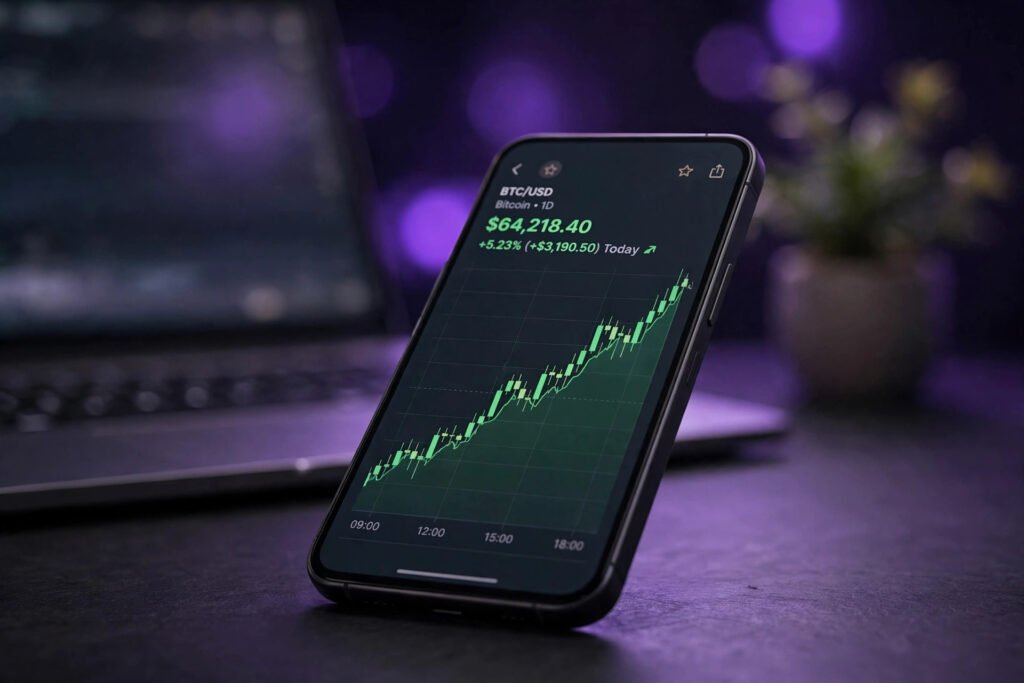
- SOL was trading at $74.67 at writing time, up 3.6% in 24 hours, while Bitcoin held near $64,310 and the Crypto Fear & Greed Index stood at 11, in extreme fear.
Solana 1.0 replaces the beta label
The Solana Foundation announced the change on Monday, November 16, as Breakpoint gathered at Olympia London, with a pre-conference event on Sunday followed by the main program on Monday and Tuesday. The network has operated since its genesis block on March 16, 2020, carrying the “mainnet beta” name for six years and eight months.
The beta label, the Foundation said, never evolved to signal the network’s production status. Solana 1.0 is a shared protocol version: it describes the rules validators follow, separate from the release numbers of individual validator clients such as Agave and Firedancer. The Foundation’s wording, as carried by U.Today, was that a shared protocol version “lets everyone refer to Solana’s evolution without using one client’s release number as shorthand for the entire network” — while cautioning that announcing a version “does not activate every associated improvement at once.”
For holders, the instruction is simple. As Blockster reports, there is nothing to migrate: accounts, assets, applications and transaction history remain on the same network. The announcement recognises technical progress and introduces the shared version number; it does not create a new token or require a new wallet. Solana co-founder Anatoly Yakovenko responded to the announcement on X with three exploding-head emojis.
Alpenglow and Firedancer are the milestones behind the move
The Foundation pointed to two developments as the technical basis for dropping the beta label. Alpenglow, an upgrade targeting much faster transaction finality, was activated on mainnet in October. Firedancer, an independently developed validator client, has been deployed, reducing dependence on a single implementation of the network’s software.
Both sit on top of a series of upgrades already in production during 2026. The compute limit per block was raised from 60 million to 100 million compute units in May, slot times were cut from 400 to 200 milliseconds in August, and the maximum transaction size was increased from 1,232 to 4,096 bytes. Individual software releases and feature activations still have their own requirements — the version number alone does not switch them on.
Tokenization plans take centre stage at Breakpoint
The price move coincided with a run of institutional announcements at Breakpoint. Project Harmonia named its first cohort of asset managers: the initiative, led by Allfunds Blockchain and the Solana Foundation, aims to distribute funds tokenized on Solana through Allfunds’ institutional network.
The Depository Trust & Clearing Corporation said on Thursday that it intends to connect its tokenization service to Solana in the second half of 2027. Separately, Forward Industries announced a partnership with Groma to bring GromaCoin, a tokenized real estate asset, to Solana, with a launch expected in the first quarter of 2027.
The announcements build on a Breakpoint already in the headlines for the Solana Foundation’s move into crypto data. As we reported, the Solana Foundation took a majority stake in CoinGecko, the price-tracking platform with 18 million users, with Solana-powered trading planned for its site, app and GeckoTerminal.
MoneyGram links USDC to cash in more than 170 countries
Breakpoint’s first main conference day also produced a practical consumer announcement. MoneyGram said on November 16 that Solflare has integrated MoneyGram Ramps, allowing users to withdraw USDC as local cash at participating locations in more than 170 countries and territories.
The process starts inside Solflare: a user chooses Withdraw, selects MoneyGram and enters the USDC amount before following the transfer and collection process. MoneyGram says the service launches with zero fees — launch pricing, not a promise that every future transfer will remain free — and availability depends on participating locations and eligibility.
The integration answers a basic question for stablecoin users: what happens when the recipient needs cash? Holding a digital dollar is only part of a payment journey, and a usable withdrawal network can matter as much as the blockchain carrying it.
SOL outpaces Bitcoin and Ether — but the slide is not forgotten
The Breakpoint gain stands out because it followed a steep slide. According to CoinPaprika data cited on November 16, SOL was trading at $72.40 that day, down 17.4% over the previous seven days. The token’s 7% rise across the conference still leaves it well below its levels from earlier in the month, and the broader market remains in extreme fear.
Bitcoin was trading at $64,310 at 15:58 PKT on Wednesday, according to CoinGecko, up 0.4% in 24 hours and about $690 below the $65,000 level it has repeatedly failed to hold. Ether stood at $1,804.66, up 1.0%, while XRP traded at $0.9998, up 4.7% but still just below the $1.00 level. The Crypto Fear & Greed Index stood at 11, in extreme fear, unchanged from the previous reading.
The market’s next signal comes at 19:00 UTC, when the Federal Reserve publishes the minutes of its October 27–28 meeting, with traders pricing a December rate hike at more than 90%. As we reported, Glassnode says Bitcoin’s realized losses have reached levels seen only near past market bottoms, and a daily close below $62,000 could send the price toward its $53,700 realized price. For now, Solana’s Breakpoint week shows that a single network’s news can still move its token while the wider market waits — but the $62,000 level for Bitcoin, not the conference stage, remains the number that decides whether this bounce holds.