


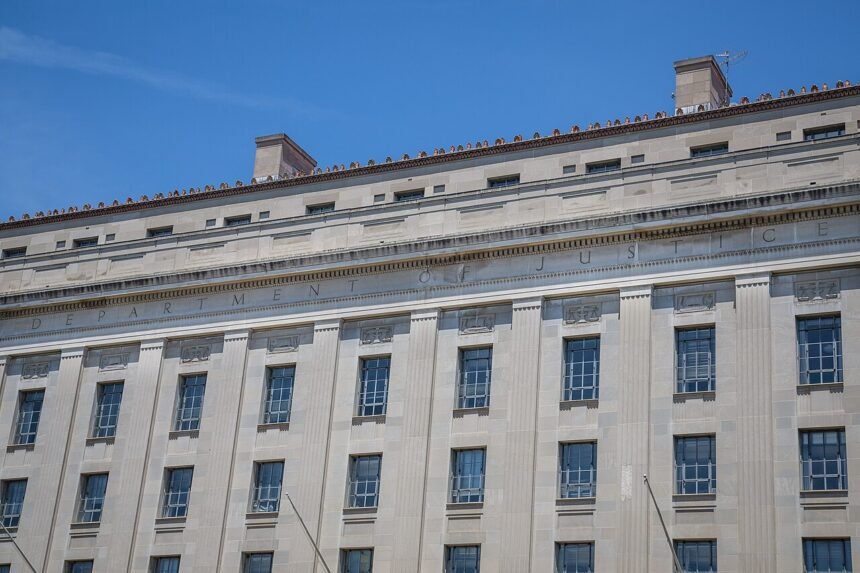
US authorities have won court approval to seize or restrain more than $1.2 billion in cryptocurrency stolen from Binance in the largest crypto heist ever recorded, the Department of Justice announced on November 12. The $1.2 billion sits inside a wider pool of more than $2.7 billion in stolen assets that US authorities and private-sector partners say they have now frozen — though a freeze is not the same as money returned, and no one has said when, or to whom, any of it will be paid out.
The direct answer is this: the seizure order is a major step in the recovery effort, but it is not a recovery yet. Investigators still have to trace the funds, complete forfeiture proceedings, and let a judge decide who has a legitimate claim — and the public announcements do not say how much of the $1.2 billion has actually been seized, which assets it covers, or when the process might end. The theft itself, on October 29, took more than $6 billion from Binance, which the FBI blames on North Korea’s TraderTraitor hacking group.
Summary
- The US Department of Justice said on November 12 that a court has authorized it to seize or restrain more than $1.2 billion in cryptocurrency tied to the October 29 Binance breach.
- More than $2.7 billion in stolen assets has now been frozen through combined government and industry efforts, according to the department — the $1.2 billion seizure authorization covers part of that total.
- The FBI attributes the theft to TraderTraitor, a North Korean hacking group, and says the attackers stole more than $6 billion in virtual assets; Binance’s own account put the impact at about $6.34 billion.
- In the same announcement, the department said it disrupted FaceStealer, a separate North Korean social-engineering scheme that used fake video calls to steal more than $400 million in crypto over 18 months.
- Binance said it absorbed the financial impact itself, set aside more than the amount needed to cover the loss, and had replenished 98% of impacted token assets as of October 31.
- Bitcoin traded at $64,916 on Monday evening, still below $65,000 after the sixth reclaim of the level failed, with the Fear & Greed Index at 10, in extreme fear.
The $6.3 billion theft and the $2.7 billion frozen so far
The attack on Binance took place on or about October 29, when attackers moved about $6.36 billion out of Binance wallets across ten blockchains, most of it in about 20 minutes, according to blockchain analytics firm TRM Labs. Binance’s initial findings indicated that the attackers gained unauthorized access to an internal wallet-signing service. By November 3, the exchange said about $2.85 billion had been frozen or intercepted — a figure that has since risen to more than $2.7 billion frozen in total through the combined efforts of authorities and private-sector companies, according to the Justice Department, with court authorization now in place to seize or restrain more than $1.2 billion of it.
The distinction between those numbers matters. A frozen balance is an asset that has been stopped from moving; a seizure authorization is a court’s permission to take it; neither is money delivered back to an exchange or its customers. As the Associated Press explained in its account of the case, forfeiture is a legal process in which a judge assesses who has a legitimate claim, and no completed forfeiture or timeline has been announced. Investigators are still tracing assets as the attackers move them through cross-chain bridges, mixers and exchanges, the department said.
Binance, for its part, has said customers were not left exposed. The exchange said it arranged coverage for affected assets with more than $6.34 billion of its own funds, had set aside more than the amount needed to cover the loss, and had replenished 98% of impacted token assets by the end of October, while working to buy back the remaining, less-liquid assets. Withdrawals resumed after the attack, and the exchange said those figures were subject to reconciliation and market-price changes.
TraderTraitor and the North Korea link
US authorities attribute the breach to North Korean operators known as TraderTraitor, a name the FBI uses for the military-linked hacking activity. “North Korea’s government bankrolls its rogue regime and illicit weapons program through cryptocurrency theft,” said Principal Deputy Assistant Attorney General for National Security M. Scott Proctor. “Today’s announcement shows that America will fight back against that corrupt regime’s effort to profit through cybercrime. The National Security Division will use every tool at its disposal to seize and return North Korea’s ill-gotten gains.”
The department said TraderTraitor actors continue to launder the stolen Binance assets through bridges, mixers and exchanges. The scale of the theft makes it the largest crypto exchange heist on record — larger than the $1.4 billion Bybit hack earlier in 2026, which US authorities also attributed to North Korean actors. North Korea has denied the attribution: on November 3, Kim Yo-jong, sister of leader Kim Jong Un, rejected the FBI’s claim in state media.

FaceStealer: the second blow in the same announcement
The Justice Department’s announcement carried a second, separate action. Officials said they disrupted FaceStealer, a North Korean social-engineering operation that used manipulated or impersonated video calls to compromise victims — a scheme the department said stole more than $400 million in cryptocurrency over 18 months. The FBI seized cloud-based infrastructure used in the scheme and, under a federal warrant, more than 900 webcam videos collected by the attackers, and published a report on how the scheme works and how victims can protect themselves.
The two actions should not be merged into a single total: FaceStealer is a distinct investigation from the Binance theft, and its $400 million is separate from the $6 billion-plus taken from Binance. What connects them is the method. Rather than exploiting smart-contract code, the attackers persuaded people to compromise their own devices or approve unsafe transactions — which is why the FBI’s report focuses on wallet permissions, identity verification for staff, and secure approval procedures as much as on blockchain tracing.
What it means for Binance customers
For customers, the practical position has not changed since the exchange reopened withdrawals: Binance says it covered the loss itself, and the government’s recovery process runs separately from the exchange’s own reimbursement. Customers should rely on official exchange communications for account-specific details, and treat unsolicited messages offering to recover funds as a likely second fraud — the Justice Department’s announcement names no payment process, and recovery offers arriving out of the blue are a known scam pattern after big hacks.
The case also underlines a wider point for the industry. The breach came through an internal wallet-signing service, not a flaw in a blockchain, and the recovery has depended on exchanges, stablecoin issuers and analytics firms freezing assets fast enough to stop them moving. The hack coincided with a $643 million outflow day for US spot Bitcoin ETFs, and the market has been sliding ever since — Bitcoin is down about 14% over the past week and 20% over the past month.
What to watch next
The next steps are legal, not market-driven: how much of the $1.2 billion is actually seized, which assets it turns out to cover, and how the forfeiture court divides any recovered funds. None of that has a timetable yet. On the market side, Bitcoin traded at $64,916 on Monday evening — up 0.66% over 24 hours but down 14.06% over the week — still below the $65,000 level it has now lost five times, with Ether at $1,823.86 and the Fear & Greed Index still at 10. Strategy’s Bitcoin stash, meanwhile, sits about $9.0 billion below what it paid for it at current prices. The next dates on the calendar are Nvidia’s earnings on Tuesday and the minutes of the Fed’s October meeting on Wednesday.