


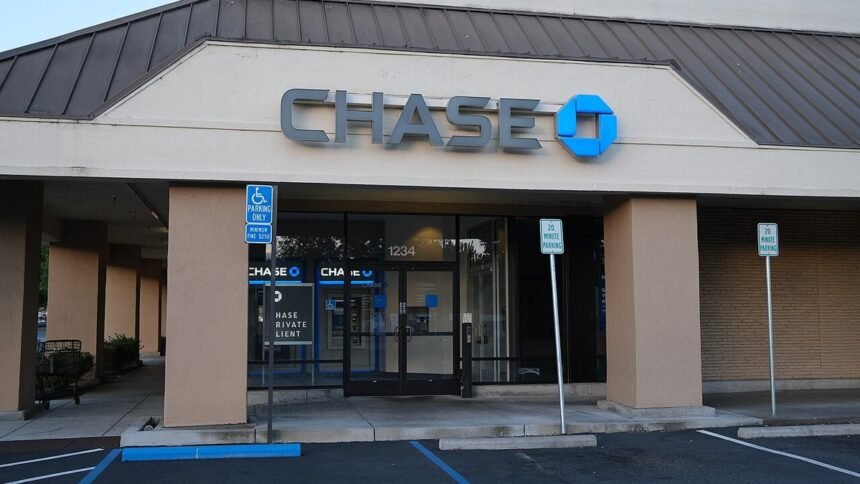
JPMorgan Chase said on Thursday, November 19, that a cyberattack on third-party vendors may have exposed some customers’ names and email addresses, in the largest U.S. bank’s second major incident in a single week, crypto.news reported.
Summary
- JPMorgan Chase says attackers hit third-party vendors, not the bank itself, and may have reached marketing data that includes some customer names and email addresses.
- Researchers at Cybernews found roughly 16,000 customer email addresses in a dataset posted by a group calling itself n0n, apparently tied to the bank’s invitation-only Reserve card program.
- The bank has not named the vendors, said when the attack happened, or confirmed how many customers were affected.
- Chase says the breach is unrelated to the software bug that slowed transactions on Monday, November 16.
- The incident follows a separate breach at a shipping partner that exposed personal details tied to about 27,000 Trezor hardware wallet orders.
In short: JPMorgan Chase says the attackers reached marketing records held by outside service providers, not the bank’s own systems, and the data believed to have been accessed is limited to names and email addresses rather than passwords, card numbers or account funds.
JPMorgan says vendors held the affected marketing data
In a statement posted on X on Thursday, Chase said its investigation pointed to marketing records stored by companies that provide services to the bank. The bank said the attack caused no disruption to its services and was unrelated to the transaction delays customers experienced earlier in the week.
JPMorgan Chase said it would contact affected customers directly and offer support, including complimentary credit monitoring, where appropriate. The statement did not give a schedule for sending those notices or say how long the monitoring would last.
The bank’s statement identified names and email addresses as the information that may have been in the records. It did not name the vendors, say when the attack happened, or give a count of customers whose information may have been accessed. It also did not say whether the attackers copied the records or only viewed them.
Researchers link the leak to the bank’s invitation-only Reserve card
Researchers at Cybernews said they reviewed a dataset posted by a group calling itself n0n and found roughly 16,000 JPMorgan Chase customer email addresses. The outlet reported that some records contained phone numbers or JPMorgan Chase account identifiers, and that the files included more than 100 employee email addresses.
The researchers said the data appeared to be tied to the bank’s invitation-only Reserve credit card program, which is aimed at high-net-worth clients and usually requires at least $10 million in assets managed by the bank. They could not determine whether the files represented the full dataset, and the reported email count therefore describes the files they reviewed. The leaked file was about 502 kilobytes, small enough that it is unclear whether it is everything the group holds or only a sample.
Aras Nazarovas, a senior information security researcher at Cybernews, said the apparent link to the Reserve program could make the records useful for targeted phishing. Someone posing as the bank could use knowledge of the card program to make a message sound more credible, he said. The researchers’ report did not establish that customers had received those messages.
Visa separately told Cybernews that a third-party provider in Asia Pacific was involved in an incident and that it had seen no indication that card numbers were affected. In a statement to The Verge, Mastercard said a breach exposed a limited number of email addresses belonging to cardholders enrolled in a specific benefit program. Chase’s statement did not identify either card network as an affected party.
Shares in JPMorgan Chase fell 0.7% to $321.74 as of 11:40 a.m. ET on Thursday, according to market data cited by Tech & Money Press.
The breach is separate from Monday’s Chase outage
The earlier problem surfaced on Monday, November 16, in the United States. Chase said in an outage update that a software bug on hardware it operates on its own premises was slowing service for some customers. The bank said customers could still access their accounts and funds, and that other lenders could experience delays on transactions in which Chase was involved.
After the slowdown, the Office of the Comptroller of the Currency asked lenders about the impact and how they were communicating with customers, according to subsequent reporting by Reuters. The Treasury Department and the OCC contacted banks within minutes of the outage being reported, a person familiar with the calls told Reuters. Comptroller Jonathan Gould described the outage as “an isolated incident” at an industry event on Tuesday and said the agency spoke with JPMorgan Chase and other affected banks.
A U.S. Bank spokesperson told Reuters that its own systems were unaffected, though customers sending or receiving Zelle payments with another financial institution could encounter delays. Customers at Bank of America and Wells Fargo reported problems through Downdetector that day. Both lenders declined to comment to the news agency.
A familiar pattern for crypto users: vendor breaches expose buyers
Customer information held by outside providers was exposed in a separate incident disclosed this week. As crypto.news previously reported, a breach at shipping partner Skladon involved personal information tied to approximately 27,000 Trezor hardware wallet orders. Trezor said the records included contact and purchase details and confirmed that some customers had received scam calls. The company dated the breach to November 7 and said Skladon notified it on November 15.
The pattern is not new in crypto. Ledger, the hardware wallet maker, confirmed this week that tampered devices had surfaced beyond Southeast Asia, including in Berlin and Dubai, after criminals bought genuine wallets, installed concealed components to capture recovery phrases during setup, and returned them to reseller channels. Two customers in Dubai lost about $604,000 after buying Ledger wallets from a retail store, as IsCoinLegit reported. Trezor has also confirmed hidden implants in some of its Safe 5 wallets that stole recovery phrases, as IsCoinLegit reported.
In each case, the lesson is the same: the device or the bank account itself was not broken into, but personal details held by a third party reached criminals who can use them to make a scam message look real. Customers who receive an unexpected message claiming to be from their bank or a wallet maker should verify it through the company’s official channels rather than clicking a link in the message.
What is still unknown
JPMorgan Chase has not said which vendors were attacked, when the attack took place, or how many customers it will notify. The roughly 16,000-email figure comes from Cybernews’ review of the leaked files and has not been confirmed by the bank, which has also not confirmed the Reserve-program link or the involvement of the group calling itself n0n. Until the bank releases more details, the disclosure confirms an attack on its service providers, but it does not establish the full scope of the customer data exposure.
Bitcoin traded at $62,628 at 17:25 UTC on November 19, down 0.78% over 24 hours, according to CoinGecko. Ethereum traded at $1,765.55, XRP at $0.968, Solana at $73.39 and BNB at $583.68. The Crypto Fear & Greed Index stood at 10, classified as Extreme Fear. Total crypto liquidations over the previous 24 hours were about $410 million, according to a CoinGlass snapshot at 13:59 UTC.